Article: How Do You Eat More Protein While Losing Weight?
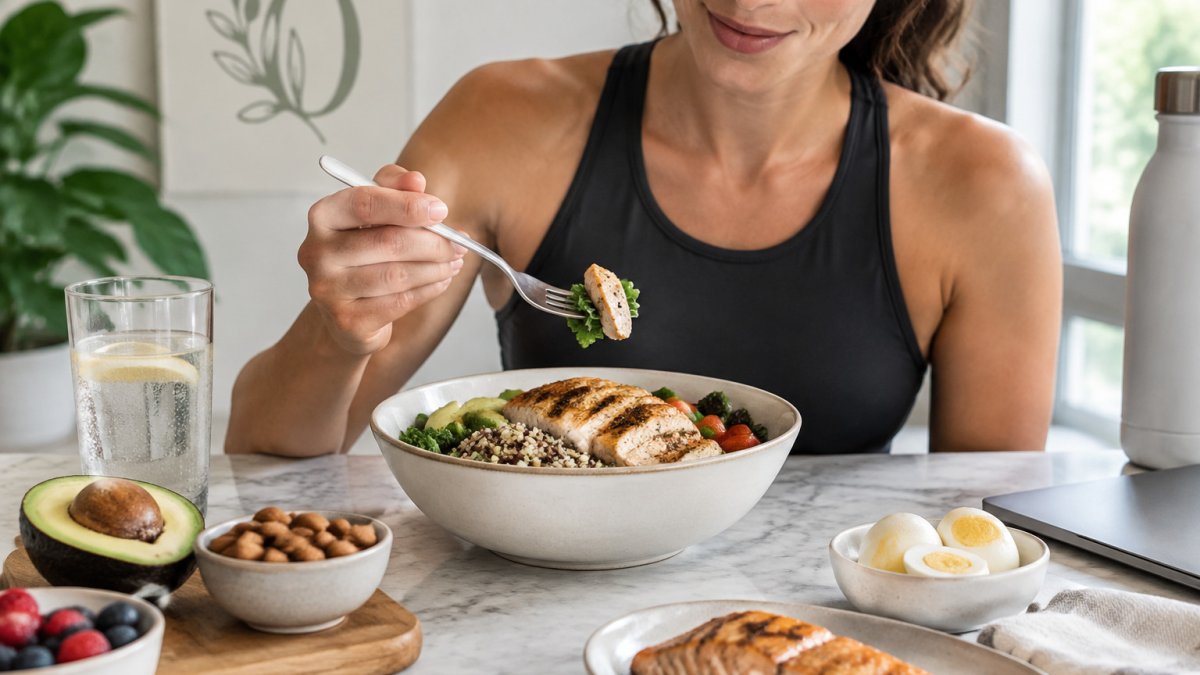
How Do You Eat More Protein While Losing Weight?
Last Updated: November 12, 2026
Quick Summary
To eat more protein while losing weight, put a lean protein source at every meal, aiming for 15 to 30 grams per sitting. Higher protein intake helps you keep lean muscle while dieting and keeps you feeling full on fewer calories.
- Aim for about 1.6 to 2.2 grams of protein per kilogram of body weight daily while dieting.
- Spread protein across three to four meals of roughly 15 to 30 grams each.
- Choose lean foods like chicken breast, fish, eggs, Greek yogurt, beans and lentils.
- Cutting calories hard while skipping protein is the most common way people lose muscle.
- Use the low end of the range if you are older or sedentary, and the high end if you lift weights.
Table of Contents
- How Much Protein You Need Each Day
- Best High-Protein Foods for Weight Loss
- How to Get Enough Protein on a Low-Calorie Diet
- How to Eat More Protein Without Exercise
- A 7-Day Protein Diet Plan for Weight Loss
- Booking Your Protein Plan: Start With One Week of Changes
- Frequently Asked Questions
Eating more protein while losing weight is one of the most practical changes you can make, and the research on it is clear. This guide walks through how to do it without starving yourself or sacrificing muscle. When you eat in a calorie deficit, your body wants to burn both fat and lean tissue. Protein helps you keep the muscle.
Higher protein intake while dieting leads to healthier eating habits and helps prevent the loss of lean muscle mass (Rutgers University research on higher protein intake while dieting). That matters because muscle keeps your metabolism working while you lose weight.
Protein also keeps you full. Protein is the most filling macronutrient, so it helps control hunger when you eat less. A diet that gets a good share of its calories from protein makes it easier to stick with your plan.
Watch out: cutting calories hard while skipping protein is the most common way people lose muscle along with fat.
How Much Protein You Need Each Day
The baseline to avoid deficiency is 0.80 grams per kilogram of body weight per day (PMC review on protein requirements for adults). That number is a floor, not a weight-loss target, and it does not account for the muscle-preserving effect of protein during a calorie deficit.
When you are actively losing weight, a higher range is often discussed. Current guidance points to about 1.6 to 2.2 grams per kilogram of body weight per day to protect lean muscle while dieting, and the right number depends on your goals, your starting body composition, and how aggressive your calorie deficit is.
- Baseline minimum: about 0.80 g per kg per day
- Weight loss target: about 1.6 to 2.2 g per kg per day
- Per meal: roughly 15 to 30 grams, spread across three to four sittings
A quick example: a 180-pound person weighs about 82 kilograms, so 1.6 to 2.2 grams per kilogram works out to roughly 130 to 180 grams of protein a day. A 140-pound person at about 64 kilograms lands closer to 100 to 140 grams. The range widens as body weight rises, which is why a single gram target rarely fits everyone.
Personalize the number. Use the low end of the range if you are older, sedentary, or new to dieting, and the high end if you lift weights, train regularly, or are cutting calories aggressively. People with kidney disease, liver disease, or a history of disordered eating should not raise protein intake without clinical guidance.
Spread it out. Protein synthesis responds better to several moderate servings than to one large one. Aim for 15 to 30 grams at breakfast, lunch, and dinner, plus a 10 to 20 gram snack if you need to close the gap. A breakfast of two eggs and Greek yogurt delivers roughly 25 grams; a lunch of grilled chicken salad lands near 30 grams; a dinner of baked cod with vegetables adds another 25 to 30 grams. That pattern reaches 80 to 90 grams before snacks, which makes a 130-gram target realistic on a 1,500- to 1,800-calorie day.
Best High-Protein Foods for Weight Loss
Lean animal foods and legumes deliver the most protein for the fewest calories. Build your meals around a few of these staples:
- Chicken breast and turkey breast
- Fish such as cod, tuna and salmon
- Eggs and egg whites
- Plain Greek yogurt and low-fat dairy
- Beans, lentils and peas
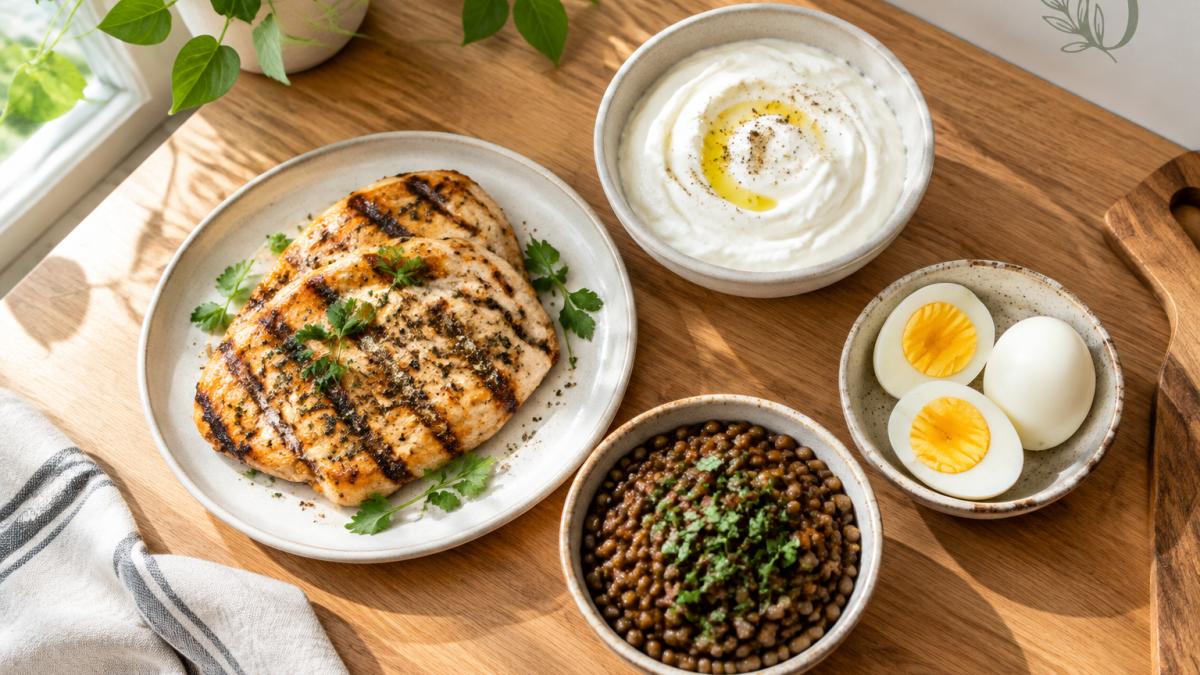
Plant sources are gaining ground. A shift toward beans, peas, lentils and soy is helping people meet protein and fiber goals together (Johns Hopkins Bloomberg School of Public Health on protein sources).
How to Get Enough Protein on a Low-Calorie Diet
Hitting your protein target on fewer calories takes planning. For a look at supplements suited to a busy schedule, see our guide to weight loss program supplements for busy professionals. Start by putting a protein source at every meal. Aim for 15 to 30 grams per sitting, and spread it across the day rather than loading it all at dinner.
Clinical guidance suggests allocating roughly 20% to 30% of total daily calories to protein (University of Kansas Medical Center on protein benefits). On a 1,500-calorie diet, that is about 75 to 110 grams of protein a day.
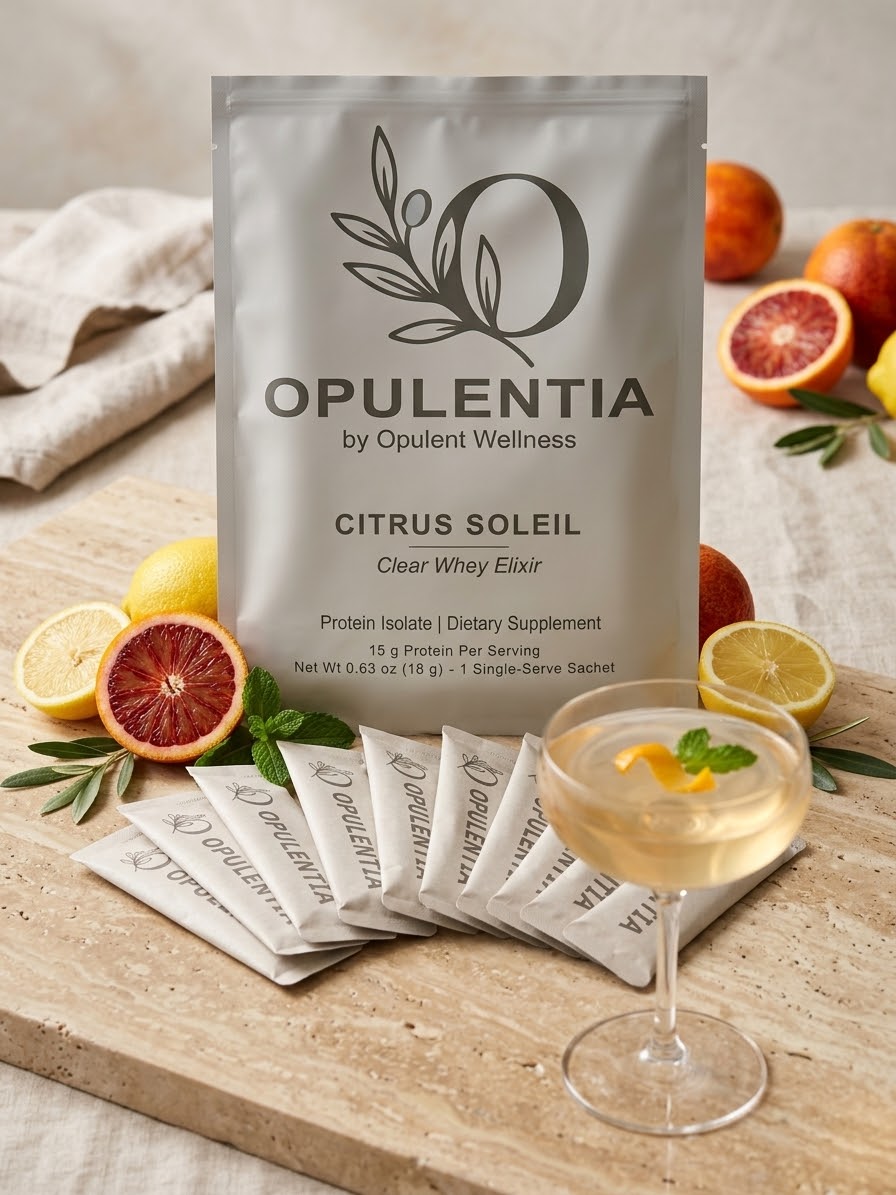
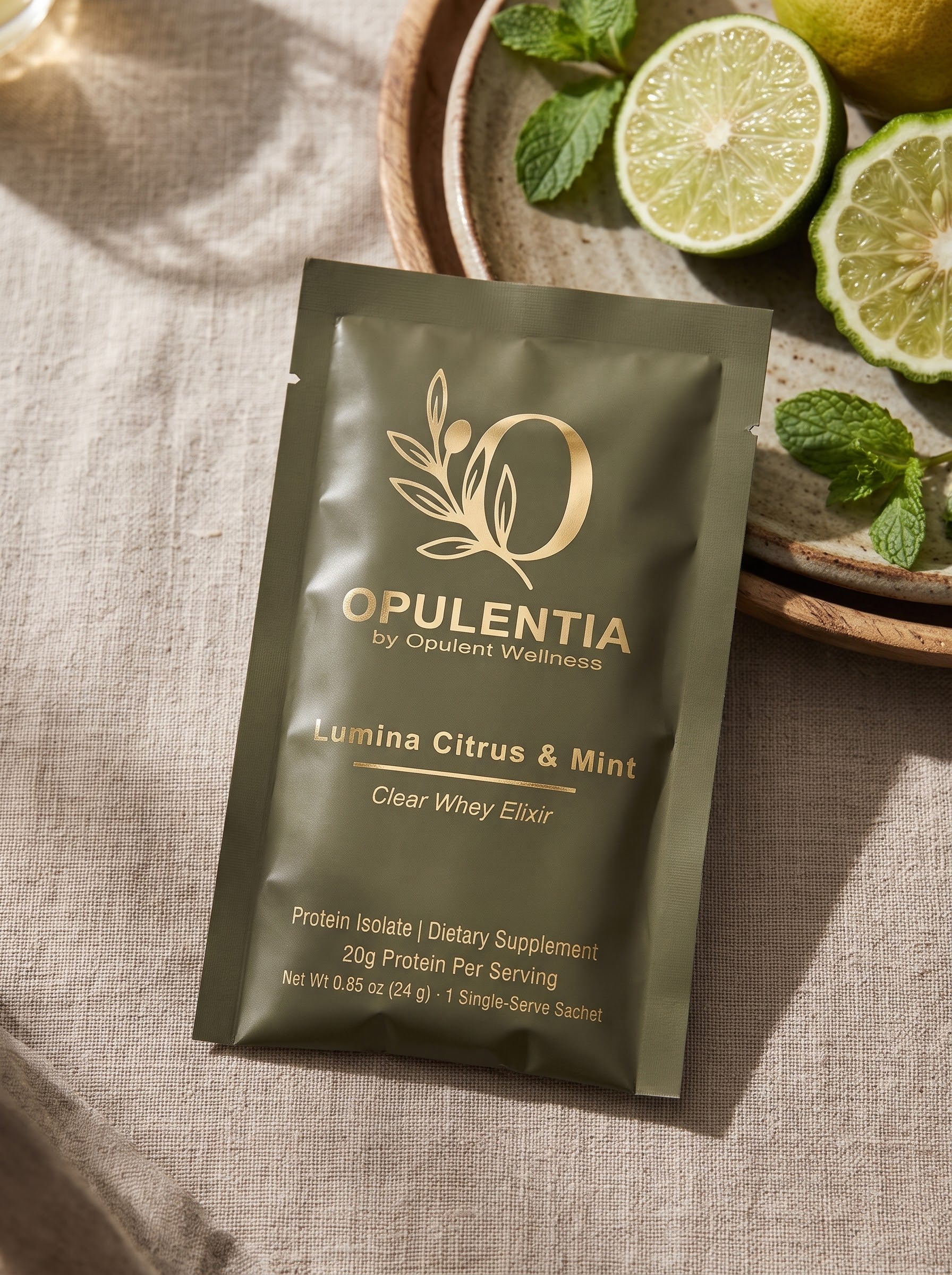
When food alone falls short, a protein supplement can fill the gap. Our Clear Whey Elixir | Citrus Soleil is a light, mixable option at $39.99 that fits easily into a low-calorie routine (Clear Whey Elixir | Citrus Soleil). Our Clear Whey Isolate Protein Sachet Packs offer portion-controlled servings for dieters who struggle to track protein (Clear Whey Isolate Protein Sachet Packs). For appetite support, our guide on using whey protein to manage hunger explains what to expect.
How to Eat More Protein Without Exercise
You do not need a gym to eat more protein. Protein needs come from what you eat, so the simplest route is a few easy swaps:
- Swap cereal for Greek yogurt with berries
- Add a boiled egg or two to salads
- Choose chicken or fish over pasta at dinner
- Snack on nuts, cheese or edamame instead of chips
A 7-Day Protein Diet Plan for Weight Loss
This plan spreads protein across three meals and one snack each day and shows approximate calories and protein so you can see how the numbers fit a deficit. Portions are starting points; scale them to your own calorie and protein targets from the section above. The daily totals are estimates and are not a prescription for everyone.
| Day | Breakfast | Lunch | Dinner | Snack | Approx. calories | Approx. protein |
|---|---|---|---|---|---|---|
| 1 | Greek yogurt with berries (1 cup yogurt, 1/2 cup berries) | Grilled chicken salad (4 oz chicken) | Baked cod with vegetables (5 oz cod) | 2 boiled eggs | ~1,550 | ~130 g |
| 2 | Two eggs and spinach | Lentil soup (1.5 cups) | Turkey chili with beans (1 bowl) | Cottage cheese (1/2 cup) | ~1,600 | ~125 g |
| 3 | Greek yogurt with nuts (1 cup yogurt, 1 oz almonds) | Tuna salad wrap (1 can tuna) | Chicken stir-fry (4 oz chicken) | Edamame (1 cup) | ~1,650 | ~135 g |
| 4 | Egg white omelet (4 whites, 1 whole egg) | Chicken and bean bowl (4 oz chicken, 1/2 cup beans) | Salmon with greens (5 oz salmon) | Protein shake (1 scoop) | ~1,700 | ~145 g |
| 5 | Greek yogurt parfait (1 cup yogurt, 1/2 cup fruit) | Turkey lettuce wraps (4 oz turkey) | Lean beef with vegetables (4 oz beef) | Almonds (1 oz) | ~1,600 | ~130 g |
| 6 | Two eggs and vegetables | Lentil and vegetable salad (1.5 cups lentils) | Grilled chicken with quinoa (4 oz chicken, 1/2 cup quinoa) | Cheese and apple (1 oz cheese) | ~1,650 | ~135 g |
| 7 | Greek yogurt with berries | Tuna and white bean salad (1 can tuna, 1/2 cup beans) | Shrimp with vegetables (6 oz shrimp) | 2 boiled eggs | ~1,550 | ~130 g |
How to use the plan. Treat the table as a template, not a rigid menu. Swap cod for tilapia, lentils for black beans, or chicken for tofu to match what you have on hand. If your target is closer to 100 grams of protein, drop the snack or halve the dinner portion. If your target is closer to 160 grams, add a second scoop to the shake or increase the lunch protein to 6 ounces.
Watch out: the calorie and protein figures are estimates that shift with brand, portion size, and cooking method, so track for the first week to see how your actual intake compares to the plan.
Our Sovereign Bites | Protein Gummies provide 1 gram of protein per bite, sold at $35.00 for a two-pack.
Booking Your Protein Plan: Start With One Week of Changes
Start small. Pick two or three changes from this guide and run them for one week, such as adding a protein source to breakfast and swapping one snack. Track your protein for those seven days, then adjust.
If you want a structured approach, our guide to choosing a weight loss program helps you compare options before you commit. For those who want a physician-guided path, explore our Opulent Circle and Executive Wellness services.
Frequently Asked Questions
How much protein should I eat while trying to lose weight?
Current guidance suggests adults trying to lose weight aim for roughly 1.6 to 2.2 grams of protein per kilogram of body weight per day to help protect lean muscle during a calorie deficit. The baseline recommended dietary allowance is 0.80 grams per kilogram, which only prevents deficiency. Spreading intake across meals can make the daily target easier to reach while keeping you full.
Does eating more protein help you lose weight without exercise?
Protein can support weight loss without exercise mainly through appetite control. Protein can help with fullness compared with lower-protein diets. Eating more protein does not burn fat by itself, so it works best when it replaces higher-calorie foods within a calorie-controlled plan.
How can I get enough protein on a low-calorie diet?
Choose lean, nutrient-dense sources such as skinless poultry, seafood, eggs, low-fat dairy like Greek yogurt, and legumes. A clear protein drink or a protein gummy can be an option on busy days. Build each meal around a protein portion first, then add vegetables and a modest amount of carbohydrates or fat to stay within your calorie target.
Can you eat high-protein and still lose weight?
Yes, as long as total calories remain below what you burn. A high-protein diet supports weight loss by improving fullness and helping preserve muscle, but it does not override a calorie surplus. Pairing protein with fiber-rich vegetables and whole grains is a sensible approach.


Written by Rochelle Jones