Methods of Stress Reduction: 7 Techniques That Work
Quick Summary
Effective stress reduction methods include slow breathing, progressive muscle relaxation with guided imagery, meditation, regular physical activity, protecting sleep and hydration, journaling with social connection, and choosing techniques that match the type of stress you face. The best method is the one you can use in the moment.
- Breathe in for about four counts and out for about six, for two to five minutes.
- Progressive muscle relaxation takes about 15 minutes, or shorten it to shoulders and jaw.
- A 20-minute walk or a 60-second stretch break each hour helps with stress.
- Keep a consistent wake time and stop screens at least 30 minutes before bed.
- Rate your stress from 1 to 10 nightly and review patterns after two weeks.
Table of Contents
- 1. Slow Breathing and Breath Focus
- 2. Progressive Muscle Relaxation and Guided Imagery
- 3. Meditation and Mindfulness Practice
- 4. Physical Activity, Stretching, and Gentle Movement
- 5. Sleep, Hydration, and Daily Routine Habits
- 6. Journaling, Social Connection, and Time Outdoors
- 7. How to Choose a Method and Track Your Results
- Frequently Asked Questions
- Start Your Stress Reduction Routine Today
Methods of Stress Reduction: 7 Techniques That Work
Last Updated: November 3, 2026
1. Slow Breathing and Breath Focus
Stress reduction starts with something you already do roughly 20,000 times a day: breathing. Slow, deliberate breathing is one of the simplest methods of stress reduction, and it costs nothing. Breath work is a practical entry point to a calmer routine. Pairing slow, deliberate breathing with other calming habits can make it easier to build a steady routine, and a practical stress management guide can help connect those methods to everyday life.
A 2020 paper describes a physical-activity-based context analyzer and a system that suggests relaxation methods based on what a person is doing when stress hits (2020 study on a smart stress reduction system for suggesting relaxation methods). The research points toward a practical idea: the best technique is the one you can use in the moment, not the one you read about later.
Here is how to start:
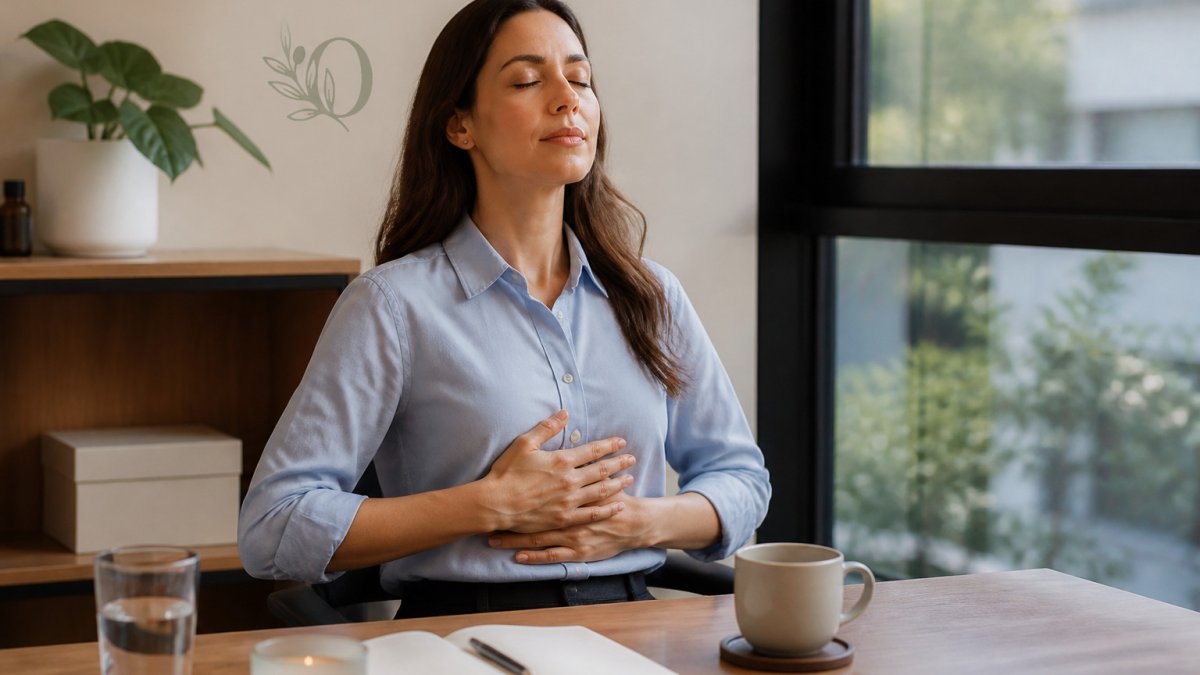
- Sit upright and place one hand on your abdomen.
- Inhale slowly through your nose for about four counts.
- Exhale through your mouth for about six counts.
- Repeat for two to five minutes.
Focus on the exhale. A longer exhale than inhale signals the body to shift toward a calmer state. Many people find the first minute feels awkward. That is normal.
Watch out: rapid or forced breathing can leave you lightheaded, so keep the rhythm gentle.
2. Progressive Muscle Relaxation and Guided Imagery
Tension tends to hide in the shoulders, jaw, and hands long before you notice it. Progressive muscle relaxation (PMR) works by tensing one muscle group at a time, holding briefly, then releasing. The contrast teaches the body what relaxation actually feels like.
Guided imagery pairs well with PMR. You picture a calm, specific place, such as a quiet beach or a familiar garden, and use the senses to make it vivid. Start with the sound of the water, then the temperature of the air, then the texture under your feet.
A simple sequence:
- Tense your feet for five seconds, then release for ten.
- Work upward through calves, thighs, stomach, hands, arms, shoulders, and face.
- Finish with two minutes of imagery in your chosen place.
The total takes about 15 minutes. For busy schedules, shorten it to just the shoulders and jaw.
3. Meditation and Mindfulness Practice
Meditation is often presented as a complicated discipline. In practice, mindfulness means noticing where your attention is, then gently bringing it back. That is the whole exercise.
The National Institutes of Health describes stress-management techniques as varying in effectiveness from person to person, which is why no single method works for everyone (NCBI Bookshelf overview of stress management techniques). Treat meditation as one tool in a set, not a verdict on your ability.
Try a five-minute body scan:
- Sit or lie down comfortably.
- Move attention slowly from your toes to the top of your head.
- When your mind wanders, which it will, note it and return to the body.
Consistency tends to matter more than duration.
4. Physical Activity, Stretching, and Gentle Movement
Exercise is one of the most reliable methods of stress reduction available, and the reason is physiological. Movement helps the body complete the stress response: it burns off circulating stress hormones, raises endorphins, and gives the nervous system a clear signal that the threat has passed. You do not need a gym membership or a hard workout to get that benefit.
The Centers for Disease Control and Prevention lists regular physical activity among healthy ways to cope with stress (CDC guidance on managing stress). The practical question is dose. Most practitioners find that a 20- to 30-minute session of moderate movement, a brisk walk, a easy bike ride, a swim, is enough to shift mood on the same day. For acute stress, even a 10-minute walk around the block can interrupt a spiral, because it changes posture, breathing rate, and visual input at the same time.
Gentle options that fit a desk-bound day:
Pure Botanical Essences Collection: Essential Oils →
- A 20-minute walk, ideally outdoors, at a pace where you can talk but not sing.
- Yoga or tai chi for 15 to 20 minutes, which pair movement with breath coordination.
- A 60-second stretch break every hour: stand, roll the shoulders, reach overhead, and lengthen the spine.
- Chair-based movement for anyone with limited mobility: seated marches, ankle circles, and gentle torso twists.
A common pattern is that movement helps most when it is scheduled rather than improvised. Anchor a walk to lunch, a stretch break to the top of each hour, or a yoga session to the end of the workday. Judge the benefit over two to three weeks, not a single session, and scale down rather than skip on low-energy days.
The article's movement options differ in how long they take and when they fit into a day, as summarised below.
| Option | Time or frequency | Best for |
|---|---|---|
| Brisk walk outdoors | 20 minutes | Talk-pace moderate movement |
| Yoga or tai chi | 15 to 20 minutes | Pairing movement with breath |
| Stretch break | 60 seconds every hour | Desk-bound workdays |
| Chair-based movement | Seated sessions | Limited mobility |
| Quick walk around the block | 10 minutes | Interrupting an acute stress spiral |
5. Sleep, Hydration, and Daily Routine Habits
Stress and poor sleep feed each other. Short sleep raises irritability and lowers your ability to handle pressure the next day. Protecting sleep is therefore a stress method in its own right.
Practical habits that support it:
- Keep a consistent wake time, even on weekends.
- Stop screens at least 30 minutes before bed.
- Drink water through the day, and cut caffeine after early afternoon.
- Build a short evening ritual, such as a warm shower or a few minutes of reading.
If your schedule is packed, anchor one habit to an existing one. For example, drink a glass of water each time you finish a meeting.
6. Journaling, Social Connection, and Time Outdoors
Stress tends to narrow your focus. Writing, talking, and getting outside widen it again.
Journaling works best when it is specific. Spend five minutes listing what is in your control today and what is not. Moving the second list out of your head often lowers its weight.
Social connection matters just as much. A short call with a colleague or friend gives you perspective and some support. Time outdoors, even 15 minutes at lunch, is a simple reset that costs nothing and fits almost any schedule.
7. How to Choose a Method and Track Your Results
With seven options on the table, the real skill is selection. A more useful approach is to match the method to the moment: the type of stress you are in, the time you have, and the setting you are in.
Use this quick selection guide:
- Acute stress (a tense meeting, a difficult call): slow breathing for two to five minutes, or a 60-second stretch break. These are fast, private, and portable.
- Built-up tension at the end of the day: progressive muscle relaxation or a 20-minute walk. Both discharge physical arousal rather than just distracting from it.
- Racing thoughts at bedtime: a body scan or guided imagery, kept short so it does not become another task.
- Low-grade, all-day pressure: meditation, journaling, and social connection work better as daily maintenance than as emergency tools.
- Limited privacy or limited mobility: breath focus, chair-based movement, and guided imagery can all be done seated and silently.
Then track results simply. Each evening, rate your stress from 1 to 10, note which method you used, and record how many minutes it took. After two weeks, look for patterns rather than a single score. You may find that breathing helps before meetings while movement helps at the end of the day. A common pattern is that consistency predicts benefit more than intensity does.
Be realistic about expectations. Most methods work gradually, and research support varies by technique. Some situations call for more than self-help. If stress is persistent, interferes with work or sleep, or includes thoughts of harming yourself, speak with a licensed clinician. The 988 Suicide and Crisis Lifeline is available by call or text in the United States.
Our Executive Wellness services and the Opulent Circle program may suit people managing demanding schedules. Our Pure Essence Collection of 100% pure essential oils, from $20.00, can be used as an aromatic addition to a breathing practice.

Frequently Asked Questions
What are 7 effective stress management techniques?
Seven widely recommended stress management techniques are slow breathing, progressive muscle relaxation, meditation, regular physical activity, adequate sleep, journaling, and spending time outdoors. These are commonly recommended, and they can be combined. Start with one or two that fit your schedule, practice them consistently for a few weeks, and note how you feel before and after. Results vary between people, so treat the list as a menu to test rather than a guaranteed fix.
How can I relieve stress quickly?
The fastest options are slow breathing and a short physical reset. Try breathing in for four counts and out for six for two to three minutes, or step outside for a brief walk. Light stretching at your desk can also ease muscle tension within minutes. These methods will not solve the underlying causes of stress, but they can lower immediate tension so you can make clearer decisions. For sustained relief, add a longer practice such as meditation or regular exercise.
Which relaxation techniques can help reduce stress?
Breathing exercises, progressive muscle relaxation, guided imagery, and mindfulness meditation are among the most commonly used relaxation techniques. Research on stress-management interventions suggests they can influence physiological markers such as cortisol, though study designs and effect sizes vary. Choose a technique that matches your preferences, since people who enjoy a practice are more likely to keep doing it. Pair a daily five-minute practice with a longer weekly session for the best chance of lasting benefit.
Do stress reduction methods work the same for everyone?
No. Effective stress management varies from person to person, and the best approach often combines behaviors that support physical health, such as exercise, sleep, and nutrition, with specific relaxation practices. If stress is severe, persistent, or affecting your work, sleep, or health, speak with a physician or licensed mental health professional. Self-directed methods are helpful for everyday stress but may not be enough for clinical concerns.
Start Your Stress Reduction Routine Today
Pick one technique from this list and try it tomorrow morning. Track your stress for two weeks, then adjust. Explore our Executive Wellness options or the Pure Essence Collection at opulentwellness.net to build a routine that fits your schedule.


Written by Rochelle Jones