Article: Peptide Moisturizer for Skin Elasticity: What Works
Peptide Moisturizer for Skin Elasticity: What Works
Last Updated: November 4, 2026
Quick Summary
A peptide moisturizer is a daily cream containing short amino acid chains that may signal skin cells to produce more collagen, supporting firmness over time. Evidence for topical peptides is modest rather than dramatic, so expect gradual improvement with consistent use over at least 12 weeks.
- Signal peptides aim to prompt fibroblasts to make structural protein, while carrier peptides deliver trace minerals like copper.
- A 2026 systematic review found topical peptides offer measurable but modest benefits for elasticity and wrinkles.
- Judge results at 12 weeks or longer, using consistent morning and night application under the same lighting.
- Choose named peptides, disclosed concentrations, opaque airless packaging and low-fragrance formulas.
- Peptides are generally gentler than retinol and are not restricted during pregnancy or breastfeeding.
Table of Contents
- What Peptides Do in a Moisturizer and Why Elasticity Changes
- What the Clinical Evidence Shows for Topical Peptides
- Peptide Molecular Weight, Absorption and Formula Stability
- How to Incorporate Peptides Into Your Skincare Routine
- Peptide vs. Retinol for Skin Elasticity: Which Fits Your Routine
- Choosing a Best Peptide Cream Recommended by Dermatologists
- Setting Realistic Expectations and Booking Your Next Step
- Frequently Asked Questions
Peptide moisturizers have moved from dermatology clinics into everyday skincare, and many buyers now pick one specifically for skin elasticity support. The short answer is that peptides are short amino acid chains that can signal the skin to produce more collagen, but the topical evidence is more modest than most marketing suggests. This guide separates what the research supports from what product labels promise.
Peptides in a moisturizer are typically either signal peptides or carrier peptides, and each works differently. Signal peptides are designed to communicate with skin cells, while carrier peptides are meant to deliver trace minerals such as copper to the tissue. Readers often ask whether a cream can truly firm the face, and the honest answer depends on formula, concentration and consistency of use.
What Peptides Do in a Moisturizer and Why Elasticity Changes
Skin elasticity declines as the dermis produces less collagen and elastin over time. Peptides are proposed to counter that by acting as collagen stimulators, which is the mechanism most peptide moisturizers rely on. A review of the topic notes that peptides are linked to improved skin elasticity, firmer texture and fewer fine lines, though those effects are reported most strongly in controlled settings (peer-reviewed review of peptides and collagen stimulation).
Signal peptides versus carrier peptides
Signal peptides are the group most often promoted for firmness, because they are thought to prompt fibroblasts to make more structural protein. Carrier peptides, such as copper tripeptides, are meant to deliver trace elements that support repair processes. A well-formulated product may include both, but the label alone rarely tells you how much of each is present.
What the Clinical Evidence Shows for Topical Peptides
The evidence base is growing but uneven. A 2026 systematic review and meta-analysis evaluated the efficacy of topical peptides for skin elasticity and wrinkles, and it is the strongest recent summary available (2026 systematic review of topical peptides for skin aging). Its general finding is that topical peptides can offer measurable but modest benefits, not dramatic lifts.
Smaller trials point in the same direction. One 14-week open-label study tested a peptide serum with a supporting regimen in 29 women and reported improved skin appearance (Journal of Drugs in Dermatology peptide clinical trial). Separate research on a specific peptide formulation found improvements in skin barrier function (clinical research on a topical peptide formulation).
Peptide Molecular Weight, Absorption and Formula Stability
Most of the gap between a lab result and a bathroom shelf comes down to whether the peptide actually reaches the dermis. Larger molecules penetrate the outer skin layer less readily, which is one reason formulators use short chains and delivery systems. Stability matters just as much, because peptides can degrade in poorly formulated or heat-exposed products. Market guides for 2026 consistently stress that elasticity results depend on formula stability, the specific peptide combination and steady application (2026 buyer's guide on peptides for skin elasticity).
How to Incorporate Peptides Into Your Skincare Routine
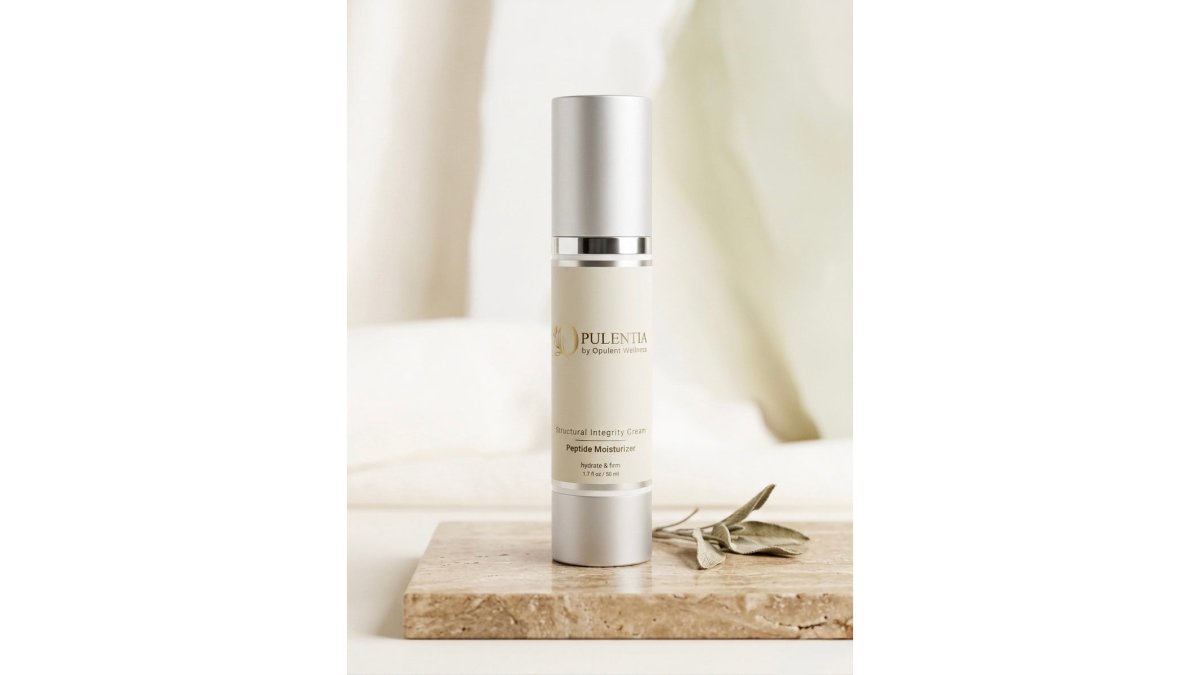
Apply a peptide moisturizer after cleansing and any water-based serum, and before heavier occlusives if you use them. You can find the Structural Integrity Cream peptide facial moisturizer if you want a ready-made option built for this step. Use it consistently, morning and night, for at least 12 weeks before judging results, since the clinical timelines cited in research run in months, not days. Keep other actives in mind: retinoids, strong acids and high-dose vitamin C can irritate skin when layered heavily with peptides, so introduce them one at a time.

Peptide vs. Retinol for Skin Elasticity: Which Fits Your Routine
Retinol and peptides both support elasticity, but they work through different biology and carry different tolerability profiles. Understanding the mechanism matters more than picking a "winner," because the right choice depends on your skin barrier, your timeline and how much irritation you can absorb.
How each one actually works
Retinoids are vitamin A derivatives. They bind to retinoic acid receptors in skin cells, accelerate epidermal turnover and upregulate collagen gene expression in the dermis. That is a well-characterized pathway, and it is why retinoids have decades of clinical backing for fine lines and texture.
Peptides take a gentler route. Signal peptides such as palmitoyl tripeptide-1 and palmitoyl tetrapeptide-7 are designed to mimic fragments of collagen breakdown products, nudging fibroblasts toward new matrix production without accelerating turnover. Carrier peptides like copper tripeptide-1 (GHK-Cu) deliver copper into the tissue to support repair enzymes. Because peptides do not strip or accelerate the surface layer, they rarely trigger the reaction retinoids do, but the elasticity payoff is generally slower and more modest.
Head-to-head on the variables that matter
- Onset: Retinoids are generally reported to show texture and tone changes over several weeks to months; peptide firmness is usually judged at 12 weeks or longer. Neither delivers a same-week lift.
- Irritation: Retinoids are the higher-risk option, especially for rosacea, eczema or a compromised barrier. If you want a firming option designed for elasticity, the Intensive Body Crème Collection is built for deep hydration and daily firming. Peptides are generally well tolerated and are often the entry point for sensitive skin.
- Pregnancy: Retinoids are avoided during pregnancy and breastfeeding. Peptides are not subject to that restriction, which makes them the practical default for many users.
- Sun sensitivity: Retinoids increase photosensitivity, so daily broad-spectrum sunscreen becomes non-negotiable. Peptides do not carry that warning.
- Evidence depth: Retinoids have the stronger clinical record for collagen and wrinkle outcomes. Peptides have a growing but more modest evidence base, as the systematic review cited above shows.
A layering protocol that works for most people
A common pattern is to use peptides as the daily foundation and reserve retinol for a few nights a week:
- Morning: cleanse, apply a water-based serum if you use one, then a peptide moisturizer, then broad-spectrum SPF 30 or higher.
- Evening (peptide nights): cleanse, peptide moisturizer, then an occlusive if your skin is dry.
- Evening (retinol nights, 2-3x per week to start): cleanse, wait until skin is fully dry, apply a pea-sized amount of retinol to the face, then follow with a peptide moisturizer once the retinol has absorbed. The moisturizer buffers some of the irritation without canceling the active.
Watch out: layering a strong acid toner, a high-dose vitamin C serum and a retinoid in the same evening is the most common cause of a compromised barrier, introduce one active at a time and give each two weeks before adding the next.
Who should skip retinol entirely
If you have active rosacea, eczema, perioral dermatitis, or you are pregnant or breastfeeding, peptides are the more sensible elasticity support. If your main concern is deep, established wrinkles and your barrier is healthy, a retinoid will likely outperform peptides, and the two can be combined rather than treated as rivals.
Structural Integrity Cream- Peptide Facial Moisturizer →
Choosing a Best Peptide Cream Recommended by Dermatologists
Most "dermatologist-recommended" lists are marketing, not methodology. The more useful question is what a clinician actually screens for when evaluating a peptide moisturizer, and that comes down to five concrete criteria you can check on any label.
The five-point selection framework
1. Peptide identity and position on the ingredient list. Ingredient lists are ordered by concentration down to 1%, after which order is at the formulator's discretion.
2. Concentration disclosure. Few brands publish peptide percentages, but the ones that do are worth prioritizing. Without a disclosed concentration, you are buying a story, not a dose.
3. Formula stability and packaging. Peptides are vulnerable to hydrolysis and heat.
4. Supporting ingredients that complement rather than compete. Sodium hyaluronate and glycerin support the hydration that makes elasticity visible; tocopheryl acetate (vitamin E) and other antioxidants protect the peptide from oxidation.
5. Fragrance and irritant load. Fragrance is the most common cause of contact sensitization in facial skincare.
What the evidence does and does not support
No topical peptide has been shown to reverse significant laxity, and no cream substitutes for procedures when sagging is structural. What the evidence supports is modest improvement in firmness, texture and the appearance of fine lines with consistent use over months. A product that promises a "lift" in days is overselling; a product that discloses its peptides, packages them stably and pairs them with barrier-supportive ingredients is making a defensible claim.
Applying the framework to specific products
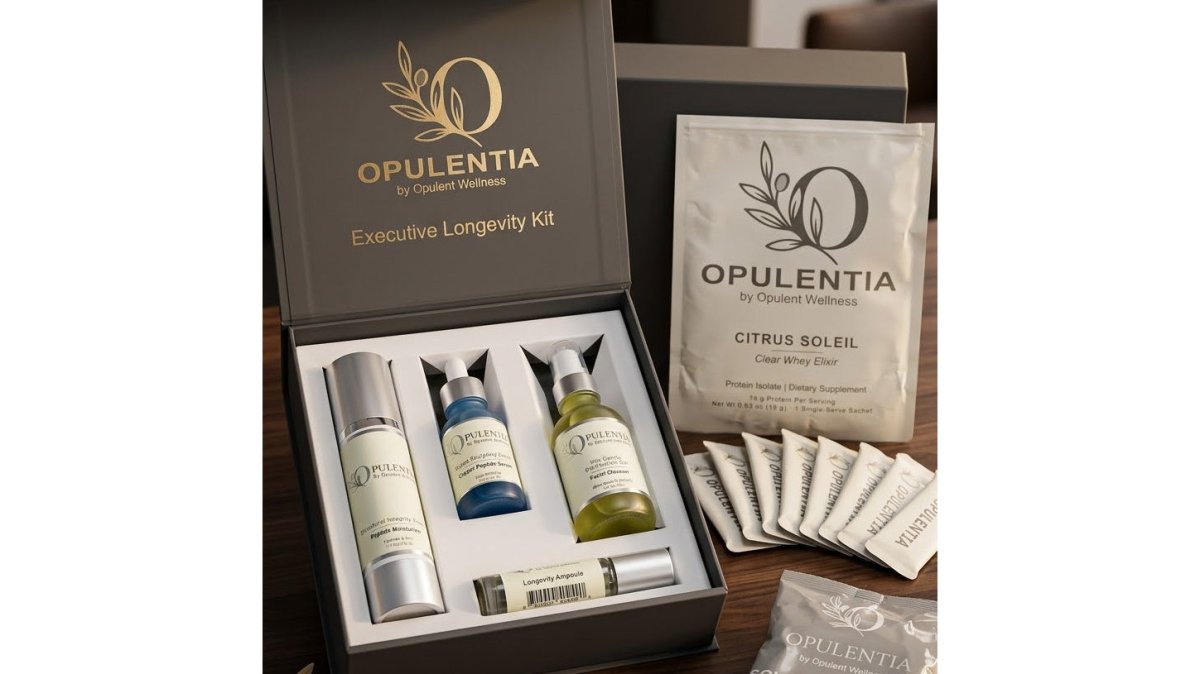
The Structural Integrity Cream- Peptide Facial Moisturizer is one option to consider, at $58.00 for 1.7 oz, with ingredients including sodium hyaluronate and tocopheryl acetate. For a complete protocol rather than a single cream, the Dermal Preservation Duo pairs a purification gel with a peptide elixir for $129.00. You can explore the Dermal Preservation Duo firming protocol to see how its steps fit together. Opulent Wellness's physician-led approach is described on its company page.

Best for: people who want a daily peptide moisturizer with a clear ingredient list. Skip if: you need a clinically proven anti-wrinkle result within a few weeks.
Setting realistic expectations before you buy
A common pattern is that users judge a peptide moisturizer too early. Elasticity changes are measured in months, not days, the clinical timelines in the research run 12 weeks and longer. Buy one product, use it consistently morning and night, and photograph your skin under the same lighting at baseline and at 12 weeks. That is a far more reliable test than any before-and-after marketing image. If sagging is significant or follows rapid weight loss, a clinical consultation will serve you better than any cream; for a deeper look at that situation, read the clinical guide on [skin laxity after rapid weight loss | page:3].
The five selection criteria above can be checked on any label, so here they are side by side.
| Criterion | What to check | Why it matters |
|---|---|---|
| Peptide identity | Named peptides, not just "peptides" | Shows real actives are present |
| Ingredient position | Peptides listed before fragrance or preservatives | Higher listing means higher concentration |
| Concentration disclosure | Published peptide percentage | Without a dose, you are buying a story |
| Packaging | Opaque, airless pump | Protects peptides from light and oxygen |
| Supporting ingredients | Hyaluronate, glycerin, vitamin E | Supports hydration and protects the peptide |
| Fragrance load | Fragrance-free or low-fragrance | Lowers risk of irritation over months of use |
Setting Realistic Expectations and Booking Your Next Step
Peptide moisturizers can support skin elasticity and texture, but the effect is gradual and varies between people. If sagging is significant or follows rapid weight loss, a clinical consultation will serve you better than any cream. For a deeper look at that situation, read the clinical guide on [skin laxity after rapid weight loss | page:3]. Opulent Wellness's approach pairs skincare with physician-led guidance.
Frequently Asked Questions
Is there a peptide that helps with skin elasticity?
Peptides that appear most often in elasticity-focused formulas include copper tripeptide-1 (GHK-Cu), palmitoyl tripeptide-1 and palmitoyl tripeptide-7. They are generally described as signal peptides, meaning they are thought to prompt the skin to produce more collagen and elastin over time. A 2025 PMC review describes peptides as collagen stimulators that can improve elasticity, firmness and fine lines. Results depend on the formula, concentration and consistent use, so no single peptide guarantees a specific outcome.
Do peptide moisturizers really work?
Evidence is encouraging but modest. Controlled-trial reviews generally report modest benefits for topical peptides in supporting firmness and elasticity. Many of these studies are small or industry-funded, so expect gradual improvement rather than dramatic change, and treat any product claim of rapid reversal with caution.
How long does it take to see results from peptide moisturizers?
Most clinical studies that report results measure them at around 12 to 14 weeks of consistent, twice-daily use. Some users notice better hydration and softer texture earlier, but firmness and wrinkle changes typically take several months. Stopping use usually means the benefits gradually fade.
Can a peptide moisturizer reverse rough skin after rapid weight loss?
A peptide moisturizer can support skin hydration, but it is not a reliable fix for significant volume loss. Opulent Wellness's Dermal Preservation Duo, priced at $129.00, pairs a gel cleanser with the Azure Sculpting Elixir. Persistent skin changes after weight loss are worth reviewing with a dermatologist or physician.


Written by Rochelle Jones