Is a Stem Cell Hydration Mist Worth It for Dry Skin?
Last Updated: October 30, 2026
Quick Summary
A stem cell hydration mist is worth it for dry skin when it pairs plant stem cell extracts with humectants like hyaluronic acid and glycerin to bind water and reinforce the barrier. A 2017 clinical evaluation found one application raised skin hydration 59% after an hour, staying 29% above baseline at 24 hours.
- In topical mists, stem cell means plant-derived extracts, not living cells applied to skin.
- Look for low-molecular-weight hyaluronic acid and glycerin near the top of the ingredient list.
- Mist on damp skin first, then serum, moisturizer, and SPF last in the morning.
- Hold the bottle 6 to 8 inches away and let the mist absorb for 30 seconds.
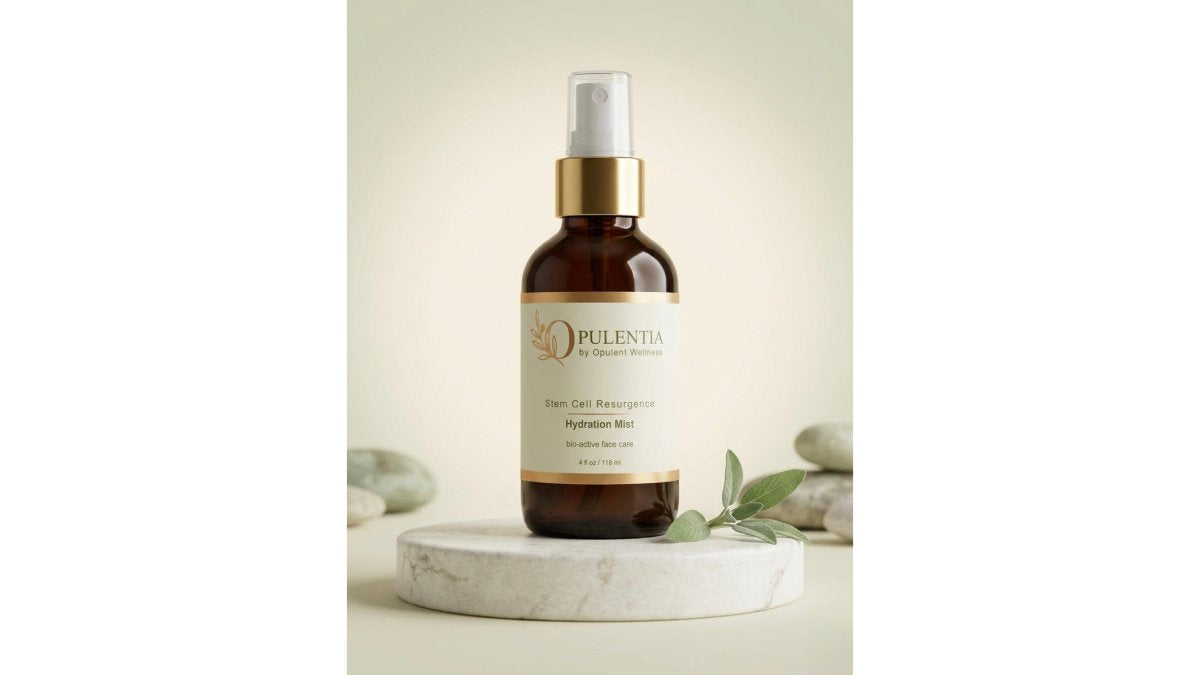
- Malus Core: Stem Cell Hydration Mist costs $55.00 and is built for dry, depleted skin.
Table of Contents
- Why a Stem Cell Hydration Mist Belongs in Your Routine
- How Stem Cell Technology Supports Skin Renewal and Barrier Defense
- Face Mist Ingredients for Hydration That Actually Deliver
- The Best Face Mist for Dry Skin: What to Look For
- How to Use Face Mist for Maximum Hydration
- How Often to Use Face Mist: Building a Sustainable Ritual
- Discover Your Clinical Protocol
- Frequently Asked Questions
Why a Stem Cell Hydration Mist Belongs in Your Routine
The global face mists market hit USD 264.2 million in 2026, and it is growing at 5.3% annually through 2036, according to Future Market Insights' face mists market forecast. That growth is not driven by fancy water in a can. It is driven by formulas that do real work on the skin barrier.
A stem cell hydration mist is a liquid skincare product that delivers plant stem cell extracts, humectants, and soothing botanicals through a fine spray to support moisture retention and barrier function. At Opulent Wellness, we treat it as the first step of a clinical ritual, not a mid-afternoon spritz.
Here is the part most guides get wrong: misting alone does not hydrate. A mist that binds water to the skin and reinforces the barrier does. That distinction decides whether your $55 goes to work or evaporates.
How Stem Cell Technology Supports Skin Renewal and Barrier Defense
Stem cell technology supports renewal by protecting skin cells from oxidative stress while reinforcing the barrier that holds moisture in. A single application of a stem cell-based product produced a 59% increase in skin hydration after one hour, per a 2017 clinical evaluation in PMC. Hydration stayed 48% above baseline at 8 hours and 29% higher at 24 hours.
What "Stem Cell" Actually Means in a Cosmetic Mist
This is the part most guides skip. In a topical mist, "stem cell" does not mean living cells are applied to your face. It means the formula contains plant stem cell extracts, cultures grown in a lab from a parent plant, then processed into a liquid concentrate. The cells are not alive in the bottle; their signaling compounds, peptides, and antioxidant metabolites are. That distinction is why a mist can be shelf-stable and still deliver a biological effect.
The mechanism works in three steps:
- Antioxidant load. Plant stem cell cultures are rich in polyphenols and flavonoids that neutralize reactive oxygen species (ROS) before they damage lipids and proteins in the stratum corneum.
- Barrier signaling. The Malus Core formula uses apple stem cell extract, which is included for its skin-supporting properties.
- Humectant synergy. The extract does not hydrate on its own; it works alongside humectants like hyaluronic acid and glycerin that bind water to the skin. The stem cell fraction helps keep the barrier intact so that bound water stays put.
Plant-Derived vs. Human-Derived Stem Cells
Plant-derived stem cells come from botanical cultures, such as the Swiss apple, and work on the skin's surface environment. Human-derived stem cells are biological products subject to FDA oversight, and the FDA's consumer alert on regenerative medicine products notes that many such products require agency approval. Cosmetic mists sit on the plant-derived side of that line, which is why they are sold as skincare rather than therapy.
Immediate vs. Long-Term Results
Immediate results are hydration and a plumper surface. Long-term results are texture, tone, and fine lines improving over weeks of consistent use. Dr. Nina Desai, a board-certified dermatologist, told Natural Organic Skincare that "plant stem cell benefits to the skin include anti-aging, antioxidant, and anti-inflammatory properties." Expect the second set only if you keep the ritual going.
Face Mist Ingredients for Hydration That Actually Deliver
The ingredients that hydrate are humectants and barrier-supporting extracts, not fragrance. Look for low-molecular-weight hyaluronic acid, which penetrates rather than sitting on the surface, plus niacinamide for texture and aloe for soothing. Antioxidants address environmental defense, and rose hydrosol helps balance pH.
The Humectant Hierarchy: Why Molecular Weight Matters
Not all hyaluronic acid is the same. The molecule comes in a range of molecular weights, and the weight decides where it works:
- High-molecular-weight HA sits on the surface and forms a breathable film that slows water loss. It is the immediate plump you feel.
- Low-molecular-weight HA penetrates the upper layers and holds water deeper, which is why formulators pair the two.
- Glycerin is the workhorse humectant, cheap, well-studied, and effective at drawing water into the stratum corneum. It is usually the second or third ingredient in a well-built mist.
A mist that lists water first and glycerin or HA near the top is doing real work. A mist that lists water, alcohol, and fragrance in the first five ingredients is a sensory product, not a hydration product.
The Layering Guide Competitors Skip
This is the question most people actually have: where does the mist go? The answer is thinner to thicker, and the mist is almost always first.
- Cleanse and leave skin slightly damp.
- Mist to prime the barrier and lay down the first layer of humectants.
- Serum with actives, vitamin C in the morning, retinol at night.
- Moisturizer to seal the water in.
- SPF in the morning, always last.
Two rules prevent the most common mistakes:
- Do not mist after retinol. Applying a water-based mist over a retinol can dilute the active and increase irritation. Mist first, then treat.
- Do not mist and walk away. A mist without a moisturizer on top invites transepidermal water loss, because the humectants pull water to the surface and then evaporate with it. The moisturizer is what locks the layer in.
What to Skip
Our Malus Core formula pairs apple stem cell culture with low-molecular-weight hyaluronic acid, niacinamide, and sage and white tea extracts. Skip mists built on alcohol and perfume: they feel refreshing and leave the barrier worse off.
Malus Core: Stem Cell Hydration Mist →
Denatured alcohol appears in many refreshing mists because it makes the product feel light and fast-drying. For oily skin in humidity, that can be tolerable. For dry or depleted skin, the skin most likely to buy a hydration mist, it is counterproductive, because it strips lipids from the barrier you are trying to repair. Fragrance is the other common offender: it adds no hydration and is a frequent irritant for sensitive skin. If the ingredient list leads with water, alcohol, and fragrance, the product is designed to feel good, not to hydrate.
The Best Face Mist for Dry Skin: What to Look For
The best face mist for dry skin binds moisture, calms inflammation, and reinforces the barrier without alcohol or heavy fragrance. Check four things before you buy:
- Humectants near the top of the list: hyaluronic acid or glycerin, not water alone
- Barrier support: niacinamide, botanicals, or plant stem cell cultures
- No drying alcohols in the first five ingredients
- Fine mist technology so the product lands evenly instead of running off
Malus Core: Stem Cell Hydration Mist is built to that spec: low-molecular-weight hyaluronic acid to plump from within, apple stem cell culture for cellular support, and an anti-pollution shield against environmental aggressors. It costs $55.00.

Best for: dry, depleted skin that needs barrier defense and a luminous finish. Skip if: you want a setting spray for makeup hold, which is a different product category.
How to Use Face Mist for Maximum Hydration
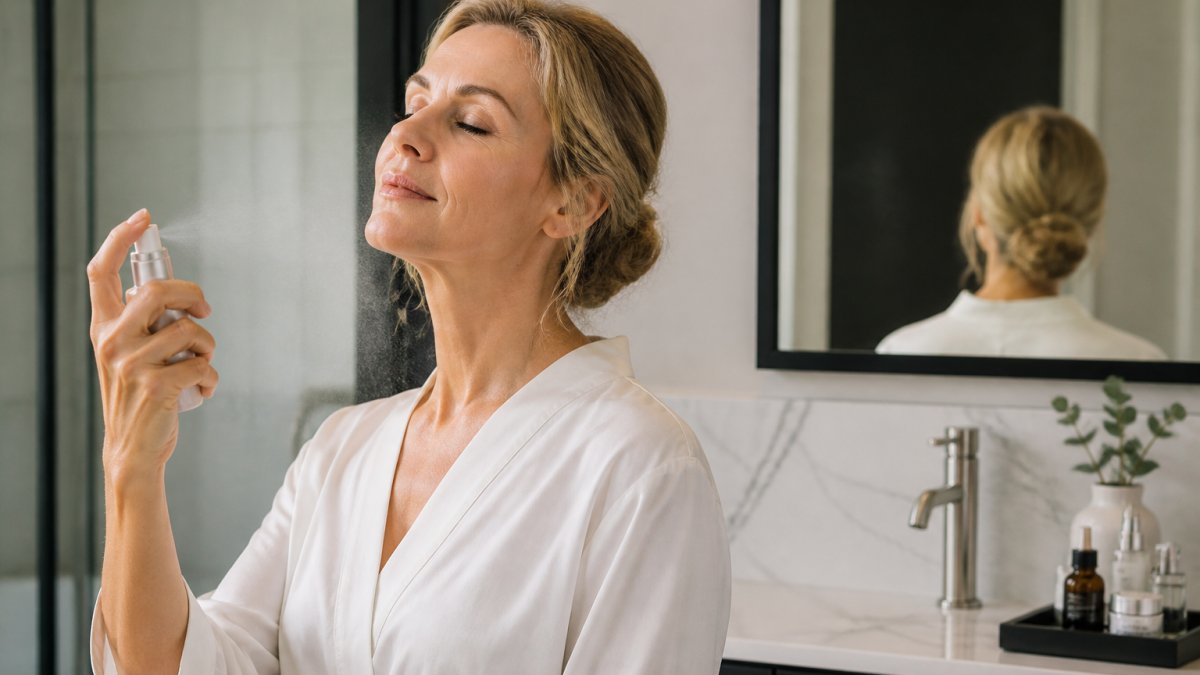
To use face mist correctly, apply it to clean, slightly damp skin and press it in before layering serums. Hold the bottle 6 to 8 inches from your face, mist in a slow sweep, then let it absorb for 30 seconds. Misting over dry skin without a follow-up moisturizer invites transepidermal water loss.
Layering Guide for Active Ingredients
Order matters more than quantity. Apply thinnest to thickest:
- Mist on damp skin to prime the barrier
- Serum with actives such as vitamin C or retinol
- Moisturizer to seal everything in
- SPF in the morning, always last
Watch out: applying retinol before your mist can dilute the active and reduce its effect. Mist first, then treat.
Here is the order to follow when layering a mist with the rest of your routine.
| Step | What to do | Note |
|---|---|---|
| 1 | Mist on damp skin | Primes the barrier |
| 2 | Apply serum with actives | Vitamin C or retinol |
| 3 | Apply moisturizer | Seals everything in |
| 4 | Apply SPF in the morning | Always last |
| Mist distance | Hold bottle 6 to 8 inches away | Slow sweep, let absorb 30 seconds |
| Retinol rule | Mist first, then treat | Misting after can dilute the active |
How Often to Use Face Mist: Building a Sustainable Ritual
Use face mist twice daily, morning and night, plus a refresh whenever your skin feels dry. Consistent use is the practical approach.
For executives managing stress and metabolic change, the mist can be part of a broader wellness routine. Opulent Wellness also offers concierge medical services designed for high-performing individuals, including hormone optimization and weight management.
Discover Your Clinical Protocol
Dry, depleted skin rarely has one cause. Stress, cortisol, metabolic change, and age all leave marks on the barrier at once, and a single product cannot address all four. That is the gap between drugstore mists and a clinical approach.
Opulent Wellness offers clinical-luxury skincare alongside concierge medical services designed for high-performing individuals, with physician-led approaches to hormone optimization, weight management, and executive longevity.
Frequently Asked Questions
What is a stem cell face mist?
A stem cell face mist is a liquid skincare product that delivers plant-derived stem cell extracts, hydrating agents, and botanical ingredients through a fine spray. These mists are designed to reinforce the skin barrier and provide immediate moisture. Many formulas, like the Malus Core Stem Cell Hydration Mist, use apple stem cell culture alongside low-molecular-weight hyaluronic acid and niacinamide to plump the skin and protect against environmental stress.
Can a stem cell mist hydrate dry skin?
Yes. A well-formulated stem cell hydration mist can significantly improve skin hydration. For dry skin, look for mists that combine stem cell extracts with moisture-binding ingredients like hyaluronic acid and soothing botanicals such as aloe vera and rose hydrosol.
How often should you use a hydrating face mist?
You can use a hydrating face mist two to three times daily: morning after cleansing, evening before serums, and as a midday refresh. If your skin feels tight or depleted, a light misting in the afternoon can restore moisture without disturbing makeup. For best results, apply the mist to clean skin and follow with a moisturizer to seal in hydration.
Should you apply moisturizer after using a face mist?
Yes, applying moisturizer after a face mist helps lock in the hydration. A mist delivers water and active ingredients to the skin's surface, but without an occlusive layer, that moisture can evaporate. After misting, press a moisturizer or facial oil into the skin to reinforce the barrier and extend hydration. This step is especially important for dry or mature skin, where transepidermal water loss is higher.