7 Essential GLP-1 Companion Kit Steps for Hormone Therapy
Last Updated: November 1, 2026
Quick Summary
A GLP-1 companion kit for hormone therapy is a structured set of products and tracking tools that supports your body while you use a GLP-1 medication alongside menopausal hormone therapy. It combines protein and hydration support, muscle and skin protection, symptom logging, and monitoring you can share with your clinician. The Opulentia GLP-1 Companion Kit pairs a four-step skincare routine with a 20g clear whey protein elixir for $299.00.
- Set protein targets with your clinician, who can adjust them for kidney function, age, and activity level.
- Aim for 20 to 30 g of protein within an hour of waking as part of your daily rhythm.
- Do resistance training two to three times weekly to help hold muscle during rapid weight loss.
- Log when each symptom started relative to your last GLP-1 dose and any dose increase.
- Track weight weekly, protein and water daily, and waist and skin changes monthly.
Table of Contents
- What a GLP-1 Companion Kit Actually Does for Hormone Therapy
- How GLP-1 and Hormone Therapy Work Together
- GLP-1 Nutrition Support: Protein, Hydration, and Small Meals
- GLP-1 Muscle Loss Prevention and Skin Elasticity
- Managing Gastrointestinal Side Effects and Menopause Symptoms
- GLP-1 Treatment Monitoring: What to Track and Share
- Where the Evidence Stops: Limits of the Hormone Therapy Research
- Build Your Physician-Led Companion Protocol
- Frequently Asked Questions
What a GLP-1 Companion Kit Actually Does for Hormone Therapy
A GLP-1 companion kit for hormone therapy is a structured set of products and tracking tools built to support your body while you use a GLP-1 medication alongside menopausal hormone therapy. Millions of people are now managing weight and hormones at the same time, and they need practical support, not vague promises.
At Opulent Wellness, we build physician-led protocols for exactly this scenario.
How GLP-1 and Hormone Therapy Work Together
GLP-1 medications mimic a gut hormone that slows digestion and reduces appetite (GLP-1 receptor agonists and delayed gastric emptying). Hormone therapy replaces estrogen and often progesterone as the body's own levels fall. Used together, they affect weight through different pathways.
The overlap matters. Estrogen influences where the body stores fat and how well muscle responds to training. A GLP-1 drug cuts how much you eat. Combine the two without a plan, and you can lose weight fast while losing muscle and skin firmness just as quickly.
What the Research Says About Combined Treatment
A Menopause Society press release on hormone therapy and GLP-1 outcomes describes a study suggesting hormone therapy is linked to greater and sustained weight loss with some GLP-1 medications. The same release notes results differ by the type of GLP-1 used.
That caveat is the story. The association exists. It is not a guarantee.
Separately, an Omada Health investor news release reports that a behavior-change program paired with GLP-1 medications was linked to greater weight loss and better persistence than medication alone. Structure helps. That is the whole case for a companion kit.
GLP-1 Nutrition Support: Protein, Hydration, and Small Meals
Nutrition is where a companion kit earns its place. GLP-1 medications slow gastric emptying and blunt appetite, so the risk is not eating too little overall, it is eating too little of the things that protect muscle, energy, and skin while hormone therapy is also shifting how your body stores fat and responds to training.
Protein: Set a number, not a vibe
Protein targets during GLP-1 therapy should be set with your clinician, who can adjust them for your kidney function, age, and activity level.
A practical companion-kit rhythm:
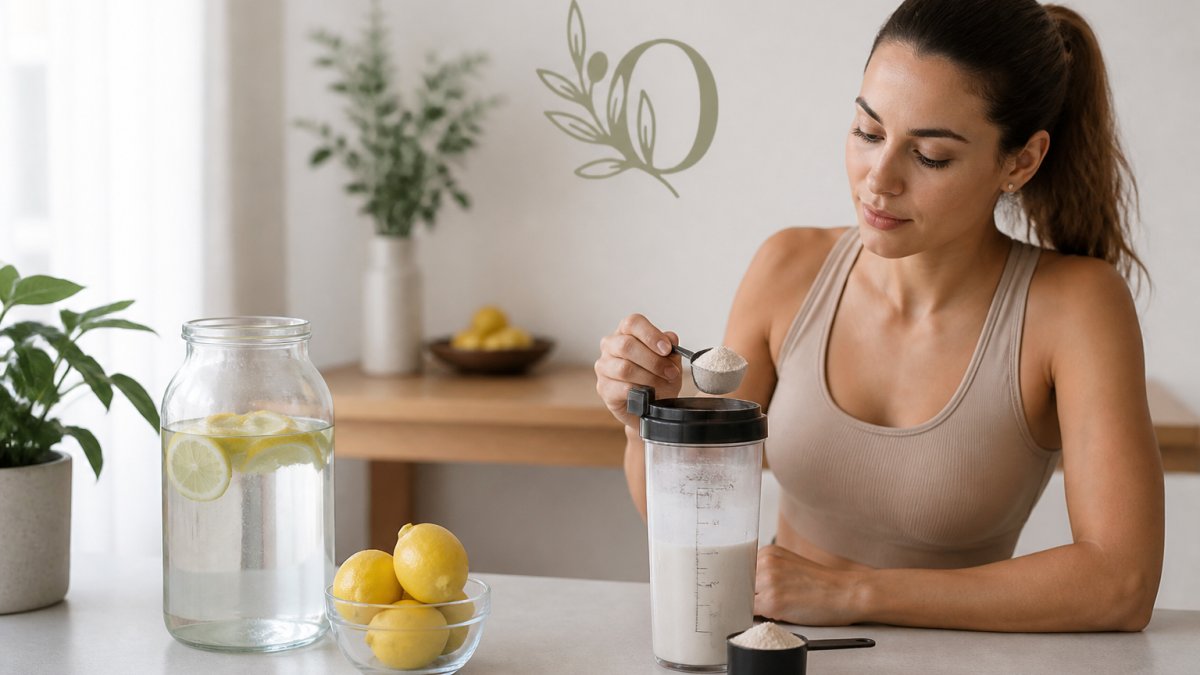
- Morning: 20-30 g protein within an hour of waking, a clear whey shake or Greek yogurt with a scoop of clear protein
- Midday: palm-sized portion of fish, poultry, tofu, or legumes
- Afternoon: 15-20 g protein snack, cottage cheese, edamame, or a half shake
- Evening: another palm-sized portion, even if appetite is low
It is a tool, not a substitute for whole foods.

Hydration: The side-effect lever most people ignore
Ask your clinician what daily fluid intake makes sense for you, especially if you are active or in heat.
Small meals, slower pace
Three small meals plus one or two protein-forward snacks usually works better than three large ones. Eat slowly and stop at the first sign of fullness.
What a kit should and should not include
A useful kit includes a clear protein option, a shaker, a water-tracking method, and a simple food log. It should not promise to replace meals, correct nutrient deficiencies, or substitute for labs your clinician orders. If you are unsure whether your intake is adequate, ask for a referral to a registered dietitian who works with GLP-1 patients.
GLP-1 Muscle Loss Prevention and Skin Elasticity
Rapid weight loss can take volume from your face and body faster than skin can adapt. For a deeper clinical guide to skin laxity after rapid weight loss, read Skin Laxity After Rapid Weight Loss: A Clinical Guide.
Two levers matter:
The Opulentia GLP-1 Companion Kit. →
- Resistance training two to three times weekly to hold muscle
- Topical support with a copper peptide serum to support elasticity
Managing Gastrointestinal Side Effects and Menopause Symptoms
Nausea, constipation, diarrhea, and reflux are the most common GLP-1 complaints. Hot flashes, sleep disruption, and mood shifts are the most common menopause complaints. Overlap is the rule, not the exception, and the overlap is where people get into trouble, because the wrong symptom gets blamed on the wrong cause.
Separate the two timelines
The single most useful habit is a symptom log that records when a symptom started relative to your last GLP-1 dose and any dose increase. A common pattern:
A simple log with date, time, symptom, severity (1-10), last GLP-1 dose date, and last hormone therapy dose date gives your clinician something to work with. Bring it to every appointment.
Practical steps that help most people
- Nausea: ask your clinician about managing it; eat slowly
- Constipation: ask your clinician before adding any laxative or fiber supplement
- Diarrhea: report persistent diarrhea to your clinician rather than self-treating
Titration is a conversation, not a calendar
GLP-1 doses are typically increased on a schedule, but the schedule is a starting point. If side effects are limiting your ability to eat and hydrate, that is a reason to talk to your prescriber about holding at the current dose, not a reason to push through silently. The same applies to hormone therapy: if hot flashes or sleep are worsening, that is information your clinician needs, not a personal failing.
What the kit adds
It does not replace clinical judgment, and it should never be used to self-diagnose which medication is causing which symptom.
GLP-1 Treatment Monitoring: What to Track and Share
Track weight, but do not stop there. Useful data includes:
| What to Track | How Often | Why It Matters |
|---|---|---|
| Body weight | Weekly | Shows trend, not daily noise |
| Protein intake | Daily | Flags muscle risk early |
| Water intake | Daily | Predicts side-effect severity |
| Symptom log | Daily | Separates drug effects from hormone shifts |
| Waist and skin changes | Monthly | Catches laxity before it is obvious |
Bring this to appointments. To understand how doctors clinically assess hormone imbalance when you share tracking data, read How Doctors Assess Hormone Imbalance: A Clinical Guide. A clinical guide to how doctors assess hormone imbalance can help you understand what your clinician is looking for.
Where the Evidence Stops: Limits of the Hormone Therapy Research
The research is promising and incomplete.
Association is not causation. The studies do not prove hormone therapy causes better weight loss. They suggest a link worth discussing with your physician.
Anyone selling certainty here is overselling.
Build Your Physician-Led Companion Protocol
A companion kit works when it is built around your labs, your medication, and your goals. For a deeper look at building a personalized, physician-led protocol before committing, read How to Build a Personalized Telehealth Hormone Therapy Protocol. Not a generic bundle.
The Opulentia GLP-1 Companion Kit pairs a four-step skincare routine with a 20g clear whey protein elixir for $299.00, designed to protect elasticity and lean muscle during active therapy.

Frequently Asked Questions
What is a GLP-1 companion kit?
A GLP-1 companion kit is a bundled set of products and tools meant to support you while you take a GLP-1 medication. Kits vary widely. Some focus on nutrition, such as protein powder or a food scale; others add skin care, a body scale, or a daily supplement pack. The Opulentia GLP-1 Companion Kit, for example, pairs a four-step skin care routine with a 20g clear whey protein elixir for $299.00. Treat any kit as support, not as a replacement for your prescriber's plan.
Can GLP-1 medications be used with menopause hormone therapy?
Yes, they can be used together, and the combination is common. Research on this combination is still developing, and response may vary by GLP-1 type, sex, and reproductive stage. Because both treatments affect your body in overlapping ways, a physician should review your medical history and coordinate the two rather than letting them run on separate tracks.
How can I maintain nutrition and muscle while taking a GLP-1 medication?
Prioritize protein at every meal, because appetite suppression makes it easy to fall short. A mixable protein source, such as a 20g clear whey elixir, can make hitting your protein goal easier. Spread small meals across the day instead of forcing large ones, and drink water steadily since hydration needs rise. Add resistance training two to three times a week to give your muscles a reason to hold on. Bring your protein intake and any weight change to your clinician at follow-up visits.
What should I ask my clinician before combining GLP-1 treatment and hormone therapy?
Ask how the two treatments might interact for your specific medications, since response varies by GLP-1 type. Confirm whether your hormone therapy dose needs review as your weight changes, and ask what side effects should prompt a call. Request a monitoring plan: what to track, how often to check in, and which labs matter for you. Finally, ask who oversees the combination. With a physician-led protocol, one clinician owns the full picture instead of two prescribers working separately.
The gap between a protocol that works and one that sits on a shelf is physician oversight. Opulent Wellness pairs concierge telehealth, clinical-luxury skincare, and nutraceutical protein into one coordinated plan, led by a physician who reviews your data and adjusts as your body changes. Get started with Opulent Wellness and build a companion protocol that protects your results from the inside out.


Written by Rochelle Jones